Speckled Trout, Black Drum & Sheepshead Catch in Matagorda
Speckled Trout & Inshore Species in Matagorda Bay
5.0

2 Reviews
- 5
 100%
- 4
 0%
- 30%
- 20%
- 10%

Guided Fishing Trip by Guide Chad Kraft in March
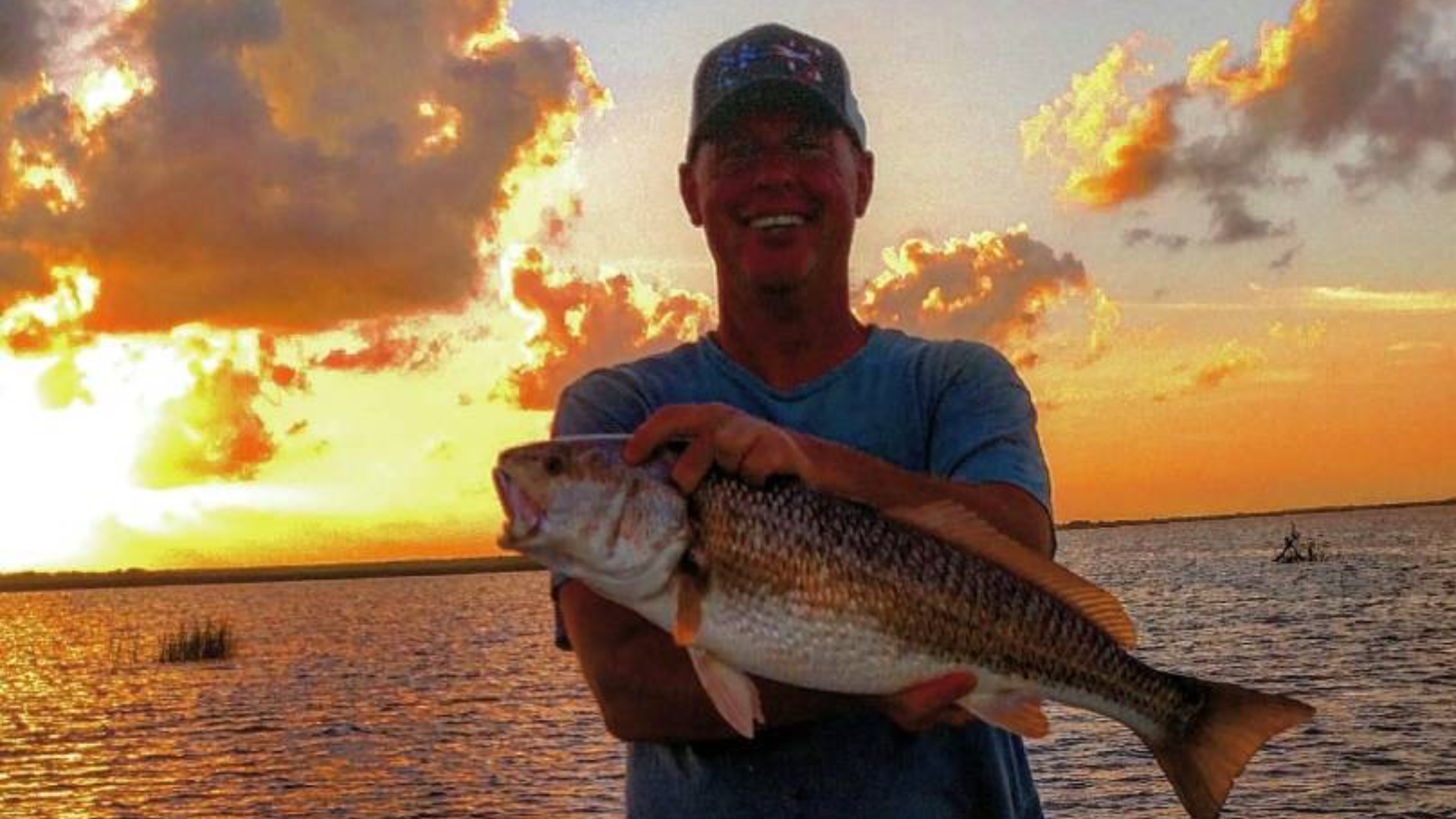
- Expert Guides, Prime Catch. Matagorda Bay.


Summary
This guided fishing trip delivers fast-paced action across Matagorda Bay's shallow flats and marsh edges. Anglers landed speckled trout, black drum, barred sand bass, and sheepshead in this inshore session, showcasing the bay's diverse fishery. Perfect for four guests seeking productive waters and expert local guidance.
Inshore Fishing with Chad Kraft - Rates & Booking
Guide Chad Kraft of Shallowrun Guide Service delivered a red-hot Friday, March 27th session on Matagorda Bay. This private guided fishing trip accommodates up to 4 anglers and runs 5 hours of pure fishing opportunity. All gear, reels, bait, and safety equipment are provided - you simply bring a valid Texas fishing license, snacks, and a cooler for your catch. The experience targets redfish, speckled trout, and flounder across multiple water types. No pressure, no fuss, just solid fishing in one of Texas's premier inshore destinations. Deposits are non-refundable, so lock in your dates early. Ready to get on the water? Book your Matagorda Bay fishing adventure with Chad today.
Highlights of From Shallow Flats to Marsh Edges: Matagorda by Rod and Reel
This trip hits three distinct fishing zones - shallow flats, marsh edges, and bay channels - each presenting unique opportunities for landing quality fish. Anglers encounter speckled trout, black drum, barred sand bass, and sheepshead throughout the day, delivering fast-action moments and diverse species encounters. Chad's local expertise means you're fishing proven spots with the best timing and technique for each location.
The laid-back pacing suits both newcomers and seasoned anglers equally well. You'll cover water efficiently without feeling rushed, maximizing your chances while staying comfortable on the boat. Whether this is your first saltwater trip or your hundredth, the experience stays fresh because Matagorda Bay's inshore ecosystem constantly surprises.
Local Species Insights: Speckled Trout, Black Drum & More
Matagorda Bay is a powerhouse for speckled trout, and this session proved why. These aggressive, hard-fighting fish thrive in shallow waters where they hunt baitfish. Speckled trout respond fast to rod-and-reel presentations, and when they bite, the strike is electric. They're found across the flats and near structure, making them perfect targets throughout your 5-hour window.
Black drum add serious pulling power to the mix. These stubborn fighters prefer deeper channels and structure, and landing one tests your drag and technique. Barred sand bass and sheepshead round out the action with different behaviors and habitat preferences. Barred sand bass hunt in sandy bottom zones, while sheepshead favor oyster-laden areas where they crush crustaceans. This species diversity keeps the rod bending throughout the day - no slow moments when Chad knows where to position you.
Matagorda Bay's shallow flats stay productive year-round, but late March enters the prime window when multiple species activate simultaneously. Incoming tides push baitfish into the shallows, triggering aggressive feeding. The marsh edges channel fish movement, concentrating them into predictable strike zones. Bay channels hold deeper-water species during tide transitions. Understanding these habitat layers separates good days from explosive ones, and Chad's local knowledge puts you in position for the latter.
Plan Your Fishing Day
Arrive ready to fish - gear, tackle, and bait are all squared away before you step on the boat. You'll explore three distinct water types, moving strategically based on tides and species activity. Bring your Texas fishing license, sunscreen, water, and snacks. A cooler keeps your catch fresh and your beverages cold. The boat accommodates four anglers comfortably, and you'll spend five full hours on the water rather than sitting idle.
Chad handles boat operation, tackle setup, and fish-finding, leaving you focused entirely on casting, setting hooks, and fighting fish. Whether you're a first-timer learning proper technique or an experienced angler fine-tuning your Texas inshore game, the trip scales to your skill level. Safety equipment is always aboard and accounted for - you fish with confidence knowing every detail is covered.
Fishing in Matagorda Bay: Spotted Weakfish, Black Drum, Barred Sand Bass and Sheepshead
Spotted Weakfish Overview
The Spotted Weakfish (Cynoscion nebulosus) is one of the most sought-after gamefish in the coastal waters of the Gulf of Mexico and throughout the Southeastern United States. Despite its common nickname "spotted seatrout," this remarkable species is actually a member of the Sciaenidae family—the drum fish family—and belongs to the order Perciformes. What makes the Spotted Weakfish so distinctive is its compressed, elongated body adorned with irregular faint spots across its upper half, combined with a metallic silver coloring that transitions from dark grayish-blue on top to tan or white on the belly. Anglers and seafood enthusiasts have cherished this species for decades, and it's easy to see why: these fish are abundant in their native waters, relatively straightforward to catch, and absolutely delicious on the dinner table. From casual fishing trips in Florida to serious expeditions along the Atlantic seaboard, the Spotted Weakfish remains a favorite target for both recreational and commercial fishers seeking an unforgettable experience.
Spotted Weakfish Habitat and Distribution
The Spotted Weakfish is endemic to the Western Atlantic Ocean, with a range stretching from Massachusetts down to South Florida, and it thrives throughout the entire Gulf of Mexico. As a demersal fish—meaning it prefers to stay on or near the ocean floor—this species has developed a sophisticated relationship with its coastal environment. You'll find them hunting in shallow coastal and estuarine waters, over sandy bottoms and seagrass beds at depths reaching up to 33 feet. These fish are adaptable creatures; during warm summer months, they move closer to shore and into shallower waters, but as temperatures drop, they retreat to deeper oceanic zones. The fish favors both salt and brackish water environments, making inlets and estuaries prime hotspots for encounters. Around major fishing hubs like Florida and along the Carolina coastlines, these waters represent reliable year-round destinations for connecting with this exceptional species.
Spotted Weakfish Size and Weight
Most Spotted Weakfish you'll encounter in typical fishing situations measure between 12 to 16 inches in length and weigh somewhere in the 3 to 7 pound range—perfect for a satisfying day on the water. However, these fish have the potential to grow considerably larger. The average maximum size reaches approximately three and a half feet in length with weights around 17 and a half pounds, which would represent an exceptional catch for most anglers. The world record Spotted Weakfish stands at an impressive 17 pounds and 7 ounces, measuring 39 inches long—a trophy taken by Orlando angler Craig Carson off Fort Pierce Inlet in Florida. Understanding these size benchmarks helps anglers set realistic expectations and appreciate the specimen they've worked to land, whether it's a keeper-sized fish or a genuine record-breaker.
Spotted Weakfish Diet and Behavior
The Spotted Weakfish is a masterful ambush predator with a hunting strategy that's both efficient and exciting to witness. These fish are known to lunge at prey that happen to pass through their territory, relying on their large, canine-like teeth to secure their meals. Their diet consists primarily of smaller fish species including anchovies, pinfish, silversides, mullet, croaker, silver trout, snapper, and gobies, supplemented by crustaceans like shrimp. The Spotted Weakfish hunts actively throughout much of the day, moving from the water's bottom to the surface in search of feeding opportunities. This behavior makes them highly responsive to lures and bait presentations, which is one reason why they're so popular among anglers. Beyond humans, these fish face predation from striped bass, alligator gar, barracuda, porpoises, and sharks, as well as seabirds such as cormorants and pelicans. Their average lifespan of 8 to 10 years allows them to develop considerable wisdom and wariness as they mature.
Spotted Weakfish Spawning and Seasonal Activity
The reproductive cycle of the Spotted Weakfish is a fascinating display of seasonal behavior that transforms their habitat. Spawning begins in spring and continues through late summer, with the fish typically engaging in this activity at night. Male Spotted Weakfish are particularly vocal during this period, announcing their presence through distinctive croaking sounds approximately two hours before sunset—a behavior that gives the Sciaenidae family its "drum fish" reputation. While these fish spend most of their lives in oceanic coastal waters, they undergo a significant migration during spawning season, moving into bays and estuaries to reproduce. A single female can produce an astounding 15,000 to 1,100,000 eggs per spawning event, and these eggs hatch within just 18 hours of fertilization. The young Spotted Weakfish form small schools of about 50 individuals, remaining together until they reach juvenile stage, at which point they disperse to their natural nursery habitats including seagrass beds, sandy bottoms, muddy bottoms, and reefs.
Spotted Weakfish Techniques for Observation and Capture
Fly-Fishing and Light Tackle Approach: The Spotted Weakfish is an eager responder to fly-fishing techniques and colorful lures, particularly when in active hunting mode. These fish hunt throughout the water column from bottom to surface, so adding weight to your presentation isn't necessary—the fish will come to your bait once spotted. The key technique is to retrieve slowly at first, making your bait or lure appear as if it's casually swimming through the water. As soon as you detect an approaching fish, accelerate your retrieve slightly to mimic a fleeing prey item; this triggers a more aggressive strike that sets the hook deeper into the fish's mouth. This strategy is crucial because the Spotted Weakfish has a notoriously soft mouth, and hooks can easily pull free if not firmly embedded. Around Florida's coastal rivers and the Gulf of Mexico, experienced guides recommend early morning sessions during the summer months when these fish are most active and aggressive.
Bottom and Shallow Water Fishing: Since Spotted Weakfish are demersal by nature, fishing along sandy bottoms and over seagrass beds—especially in the 10 to 33-foot depth range—yields consistent results. Use medium-weight spinning rods with 10 to 15-pound test line and cast live or cut bait near structure where these fish are likely to ambush prey. Small shiners, shrimp, and mullet chunks work exceptionally well. Fish the shallow estuaries during high tide and the slightly deeper channels during low tide for optimal positioning. Patience and subtle movement of your bait will often outperform aggressive presentations.
Sight Casting in Clear Water: In clear, shallow waters typical of Florida's coastal areas, sight casting to visible Spotted Weakfish can be incredibly rewarding. Polarized sunglasses and a quiet approach allow you to spot feeding fish and present lures or bait directly to them. Small jigs, soft plastics, and topwater plugs create excellent results when accuracy and presentation are prioritized. This visual hunting method transforms fishing from a waiting game into an active, engaging pursuit.
Spotted Weakfish Culinary and Utilization Notes
The Spotted Weakfish has earned its stellar reputation as a table fish through generations of satisfied diners. The meat is known for having an excellent, delicate flavor that stands up beautifully to various cooking methods. Steaming, broiling, and baking are considered the best preparation techniques, allowing the natural taste of the fish to shine without overwhelming heavy sauces. The flesh is firm yet tender, making it versatile for both traditional and contemporary recipes. One noteworthy characteristic anglers should know about is the occasional presence of harmless "spaghetti worms"—parasitic nematodes that look concerning but pose no risk to human consumption and are easily removed during filleting. From a nutritional standpoint, Spotted Weakfish provides excellent protein, omega-3 fatty acids, and essential minerals, making it a healthy choice for seafood enthusiasts. The combination of abundance, ease of capture, and culinary excellence has made this species a cornerstone of both recreational and commercial fishing operations throughout its native range.
Spotted Weakfish Frequently Asked Questions
Q: What is the best bait or lure for catching Spotted Weakfish?
A: Live shrimp, mullet, anchovies, and small shiners are top bait choices. For lures, colorful options including small jigs, soft plastics, and topwater plugs work well. Fly fishers have success with colorful streamers and baitfish patterns. The key is matching your presentation to the natural prey in the area and retrieving at a pace that triggers aggressive strikes.
Q: Where can I find Spotted Weakfish near major fishing destinations?
A: Spotted Weakfish are abundant throughout the Gulf of Mexico, along the Florida coastline, and up the Atlantic seaboard to Massachusetts. In Florida specifically, Fort Pierce Inlet, Tampa Bay, and various coastal rivers provide excellent opportunities. Look for shallow estuaries, seagrass beds, and sandy bottoms in 10 to 33 feet of water during appropriate seasons.
Q: Is Spotted Weakfish good to eat?
A: Absolutely! Spotted Weakfish is considered excellent eating with a delicate, mild flavor. Steam, broil, or bake for best results. The flesh is firm and versatile, making it suitable for various culinary preparations. The only consideration is removing the harmless parasitic worms if present, which is a simple filleting task.
Q: When is the best time to catch Spotted Weakfish?
A: Warm summer months (May through September) represent peak season as fish move to shallower waters and feed more actively. During spawning season (spring through late summer), nighttime fishing can be particularly productive. Early morning and late afternoon sessions often produce excellent results year-round in appropriate habitats.
Q: Why do they call them "weakfish" if they're strong fighters?
A: The name "weakfish" refers to the fish's soft mouth rather than its fighting ability. Despite being active, aggressive hunters, the soft tissue inside their mouth makes hooks prone to pulling free during battle, requiring careful, steady pressure rather than hard, jerky movements when fighting a hooked fish.
Q: What's the world record Spotted Weakfish?
A: The world record stands at 17 pounds and 7 ounces, measuring 39 inches long. This exceptional specimen was caught by Orlando angler Craig Carson off Fort Pierce Inlet in Florida, representing the gold standard for what these remarkable fish can achieve in their native waters.
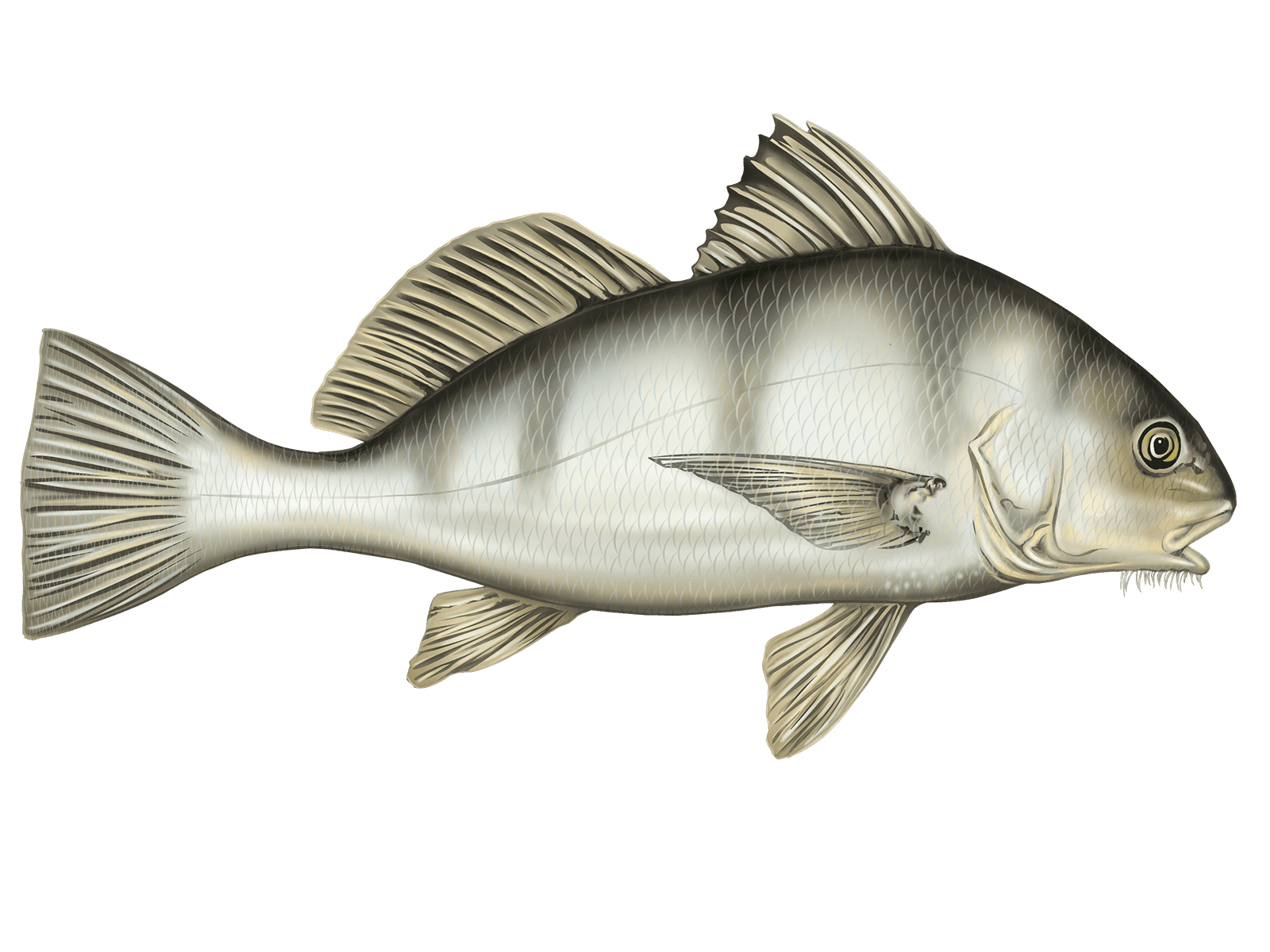
The Black Drum (Pogonias cromis) stands as the giant of the Sciaenidae family, earning its reputation through both impressive size and distinctive acoustic abilities. These remarkable fish get their name from the drumming or croaking sounds they produce, which can reach frequencies of 100 to 500 Hz during spawning season. With their powerful jaws designed for crushing shellfish and oysters, these dark-colored bruisers represent one of the most sought-after inshore game fish along the Atlantic and Gulf coasts, offering anglers both challenging fights and rewarding table fare when properly sized.
Black Drum Overview
What makes these fish truly special is their incredible adaptability and longevity. They're bottom-dwellers that can live up to 50 years, growing rapidly in their first two years and reaching sexual maturity quickly. Their robust build and crushing power make them formidable opponents for anglers, while their preference for brackish waters and estuaries puts them within reach of shore-based fishermen. The drumming sounds they make aren't just for show - they're sophisticated mating calls that help these fish locate each other during spawning aggregations, creating some of the most exciting fishing opportunities of the year.
Black Drum Habitat and Distribution
These adaptable fish have claimed territory from Nova Scotia all the way down to the Gulf of Mexico, thriving in a variety of environments. Adults prefer the saltier waters near ocean inlets and around oyster beds, where their favorite foods are abundant. Juveniles, on the other hand, seek out the less saline areas of estuaries with sandy bottoms, providing natural nursery areas. What's remarkable about these fish is their tolerance for different conditions - you might find them in extremely shallow water one day and at depths of 100 feet the next. They're particularly drawn to muddy flats, pier pilings, and creek mouths where tidal action concentrates their prey.
Black Drum Size and Weight
Size-wise, these fish offer something for everyone, typically ranging from 5 to 30 pounds, though true giants can exceed 90 pounds. The smaller specimens in the 15-pound range are considered prime table fare, while the larger fish are better suited for catch-and-release due to their tougher meat texture and stronger flavor. It's not uncommon to encounter fish in the 20 to 40-pound range during peak season, and these middle-weight bruisers provide excellent sport while still offering decent eating quality for those who know how to prepare them properly.
Black Drum Diet and Behavior
As dedicated bottom-feeders, these fish have developed powerful crushing jaws perfectly suited for their shellfish-heavy diet. Crabs, mussels, clams, and oysters make up the bulk of their meals, though they'll also take marine worms and small fish when the opportunity arises. Their feeding behavior is methodical and deliberate - they use their sensitive barbels to locate prey buried in sand and mud, then employ their impressive jaw strength to crush through shells. During feeding frenzies, particularly around oyster beds, you can sometimes hear the actual crunching sounds they make while feeding, which often gives away their location to observant anglers.
Black Drum Spawning and Seasonal Activity
Spawning season brings out the most exciting behavior in these fish, as they gather in large schools and become much more predictable in their movements. In southern regions like Texas, this typically occurs from February through March, while northern areas see peak activity from April to June. During this time, females can lay eggs every three days, and the males produce their characteristic drumming sounds almost continuously. These spawning aggregations create prime fishing opportunities, as the normally scattered fish concentrate in specific areas and become more aggressive in their feeding. The sound of dozens of drums calling simultaneously creates an underwater symphony that experienced anglers learn to recognize and locate.
Black Drum Techniques for Observation and Capture
Success with these fish comes down to three key factors: location, bait selection, and patience. Live or fresh bait works best - soft-shell crabs, peeler crabs, and fresh clam are top choices, though many anglers swear by blue crab because it doesn't attract as many bait-stealing catfish. Fish your baits right on the bottom using enough weight to hold position in current, and be prepared for a slow, deliberate bite that can easily be mistaken for a snag. For artificial presentations, slow-moving bucktail jigs work well, especially when tipped with natural bait. Fly fishing enthusiasts should opt for 9-weight rods and bottom-bouncing patterns like Clouser Minnows or crab imitations. Around popular fishing areas, look for shallow flats adjacent to deeper water, especially during moving tides when these fish become more active.
Black Drum Culinary and Utilization Notes
When it comes to table fare, size matters significantly with these fish. Specimens under 15 pounds offer mild, flaky white meat that's excellent when prepared fresh, while larger fish develop a coarser texture and stronger flavor that some compare to chicken. The key to good eating is proper handling and quick processing - these fish benefit from bleeding immediately after capture and keeping on ice. Smaller drums work wonderfully in fish tacos, blackened preparations, or simple pan-frying, while larger fish are better suited for stews or heavily seasoned dishes that can mask their stronger flavor. Many experienced anglers practice slot-limit fishing, keeping only mid-sized fish for the table while releasing both the smaller juveniles and the large breeding stock.
Black Drum Frequently Asked Questions
Q: What is the best bait for Black Drum fishing?
A: Live or fresh crab consistently outperforms other baits, particularly soft-shell crabs, peelers, or blue crab halves. Fresh clam and cut mullet also work well, but crab tends to attract fewer bait-stealing species and stays on the hook better in current.
Q: Where can I find Black Drum in coastal areas?
A: Look for oyster beds, shallow muddy flats, pier pilings, and creek mouths in brackish water areas. They prefer areas where fresh and salt water mix, especially spots with good tidal flow that concentrates their food sources.
Q: Are Black Drum good to eat?
A: Fish under 15 pounds are excellent table fare with mild, flaky white meat. Larger specimens become progressively tougher and stronger-flavored, making the smaller to medium-sized fish the best choice for eating.
Q: When is the best time to catch Black Drum?
A: Spring spawning season offers the most consistent action when fish school up in predictable areas. Early morning and late afternoon during moving tides typically produce the best results, though they can be caught year-round in most areas.
Q: What tackle should I use for Black Drum fishing?
A: Medium to heavy spinning or conventional tackle works best, with 20-30 pound test line and strong circle hooks. Use enough sinker weight to keep your bait on the bottom, and be prepared for long, powerful runs when you hook a large fish.
Q: How can I tell if I'm in good Black Drum water?
A: Look for areas with oyster beds, muddy bottoms, and good tidal flow in brackish water. During spawning season, you might actually hear the drumming sounds they make, which is a dead giveaway that fish are present and active.
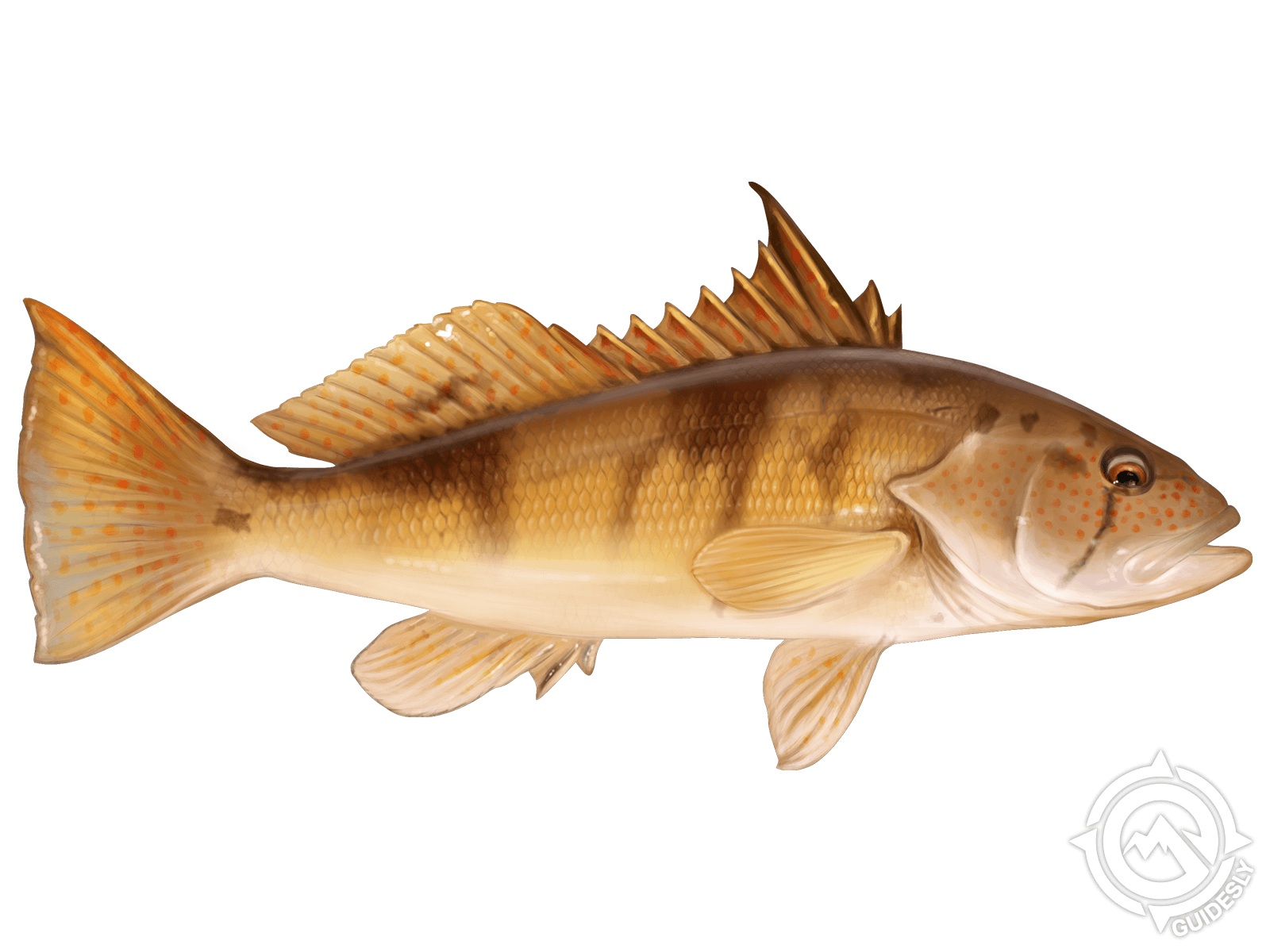
Barred Sand Bass Overview
The barred sand bass (Paralabrax nebulifer) is a spirited game fish belonging to the Serranidae family within the order Perciformes. Found throughout Southern California and Baja California, this species is beloved by inshore anglers for its aggressive feeding habits and seasonal availability. Often called 'grumps' or 'sand bass,' these fish are instantly recognizable by their elongated bodies, distinctive vertical bars, and that characteristic grumpy expression created by their large, protruding mouths. Whether you're fishing off the coast of Southern California or exploring marine ecosystems, the barred sand bass offers exciting encounters and reliable action during its peak season.
Barred Sand Bass Habitat and Distribution
The barred sand bass thrives in sandy bottom environments at depths ranging from shallow waters up to 600 feet, typically congregating in 60 to 100 feet of water during spawning season. They favor areas near kelp beds, rocky outcrops, and sandy substrates where they can hunt effectively. Their geographic range stretches from Santa Cruz in central California down through Baja California to Magdalena Bay, with occasional sightings as far south as Acapulco, Mexico. Young barred sand bass are abundant in shallow coastal waters, making them accessible to shore-based anglers, though the larger, more trophy-sized specimens prefer deeper nearshore zones. The stable populations found throughout their native range benefit significantly from marine protected areas that have restricted commercial harvesting and allowed populations to rebound.
Barred Sand Bass Size and Weight
Young barred sand bass typically reach approximately 7 inches in length within their first few years, while they commonly grow to around 10 inches within five years of life. In average fishing conditions, most catches fall within the 7 to 10-inch range, weighing between 1 and 4 pounds—perfect for exciting light-tackle fishing adventures. However, these fish are capable of exceptional growth; the world record stands at an impressive 26 inches and 13 pounds. With lifespans reaching up to 31 years, older specimens can develop substantially, though such trophy fish are increasingly rare and worth releasing to maintain healthy populations.
Barred Sand Bass Diet and Behavior
The feeding habits of barred sand bass vary dramatically based on their size, showcasing an interesting ecological shift as they mature. Smaller individuals focus on crustaceans and small invertebrates, while medium-sized fish consume a mixed diet of both small prey and larger organisms. Larger barred sand bass become aggressive predators, targeting substantial fish like plain midshipman and octopus. This size-dependent feeding behavior makes them unpredictable and exciting to fish for, as different lures and baits will appeal to different size classes. They're aggressive feeders that will strike just about anything presented to them, making them excellent targets for both novice and experienced anglers. Their active behavior intensifies during evening hours and through the night, particularly during full moon phases when they feed most intensely.
Barred Sand Bass Spawning and Seasonal Activity
Barred sand bass exhibits fascinating reproductive behavior, with spawning occurring during the warmer months from May through October. During this peak season, they migrate from their usual reef habitats to deeper waters around 60 to 100 feet, making them highly catchable and predictable for anglers who time their trips accordingly. One remarkable aspect of their biology is their ability to change sex; some individuals transition from female to male as they age and grow larger, a phenomenon shared with other members of the genus Paralabrax. This protandrous hermaphroditism adds an interesting dimension to population dynamics and makes every fish you encounter potentially unique in its life history.
Barred Sand Bass Techniques for Observation and Capture
Live and Fresh Bait Method: The most effective approach uses live squid as your primary offering, though live anchovies, sardines, or smelt work exceptionally well. Fresh dead squid is equally effective and often easier to manage. Bloodworms and fresh mussels round out your bait arsenal. Cast these offerings to sandy bottom areas near rocks and kelp beds, working depths of 60 to 100 feet. Present your bait near structure and allow it to drift naturally, waiting for the telltale strike.
Plastic Lure Technique: Barred sand bass respond eagerly to plastic lures, with effectiveness varying based on water temperature and conditions. Cast lures to deeper zones and experiment with different depths by sinking at varying rates. Once you locate the feeding depth, concentrate your efforts there. This method works particularly well during evening and night hours when fish are most active.
Boating Method (Recommended): While shore fishing produces occasional catches, boat fishing dramatically increases success rates, especially for larger specimens. Use a slightly stiff six-and-a-half-foot graphite-composite rod rated 12-30 pounds for optimal control, or a heavy freshwater bass rod in the 8-17 pound range. If boating from Southern California ports, lighter rods work better for finesse presentations. Position your boat over sandy bottoms adjacent to rocky structure, then methodically work different depths until you locate feeding fish. Fish this approach at sunset through the night, with peak activity during full moon phases.
Barred Sand Bass Culinary and Utilization Notes
Barred sand bass provides an average culinary experience with mild, flaky white meat suitable for various cooking preparations. While not considered a premium food fish, they offer decent table fare when properly handled and prepared fresh. The meat is somewhat lean and benefits from rich sauces, butter-based cooking methods, or grilling with added oils. Most anglers practice catch-and-release for this species due to their status as a game fish and the availability of superior eating species in the same waters. Sustainability is not a concern given the stable populations and commercial fishing protections, so retaining modest quantities for personal use remains acceptable where regulations permit.
Barred Sand Bass Frequently Asked Questions
Q: What is the best bait for catching barred sand bass?
A: Live squid is the premier choice among Southern California anglers, followed closely by live anchovies, sardines, and smelt. Dead squid is equally effective and often more convenient. Bloodworms and fresh mussels also produce excellent results when other baits aren't available.
Q: Where can I find barred sand bass near Southern California?
A: Sandy bottom areas in 60 to 100 feet of water near rocky structure and kelp beds are your best bets. The waters off central and southern California coast, particularly around established fishing ports, offer reliable populations. Look for areas adjacent to natural reefs and rocky outcrops bordered by sandy substrate.
Q: When is the best time to catch barred sand bass?
A: The prime fishing season runs from May through October when water temperatures are warmest. Within this window, fish most actively during evening hours through the night, with peak action occurring during full moon phases when barred sand bass feed most aggressively.
Q: Can I catch barred sand bass from shore, or do I need a boat?
A: While shore fishing produces occasional catches, boat fishing is significantly more productive, especially for trophy-sized fish. Boats allow access to deeper waters and sandy bottom zones where larger specimens concentrate, substantially improving your odds of success.
Q: What rod and reel setup should I use?
A: For inshore work, a slightly stiff six-and-a-half-foot graphite-composite rod in the 12-30 pound range delivers optimal performance. A heavy freshwater bass rod rated 8-17 pounds also works well. If boating, lighter rods allow for more sensitive presentations and better feel.
Q: Is the barred sand bass population healthy and sustainable?
A: Yes, populations are considered stable and healthy, largely due to marine protected areas along the California coast and the ban on commercial harvesting of this species. This makes barred sand bass a sustainable choice for recreational anglers in Southern California.
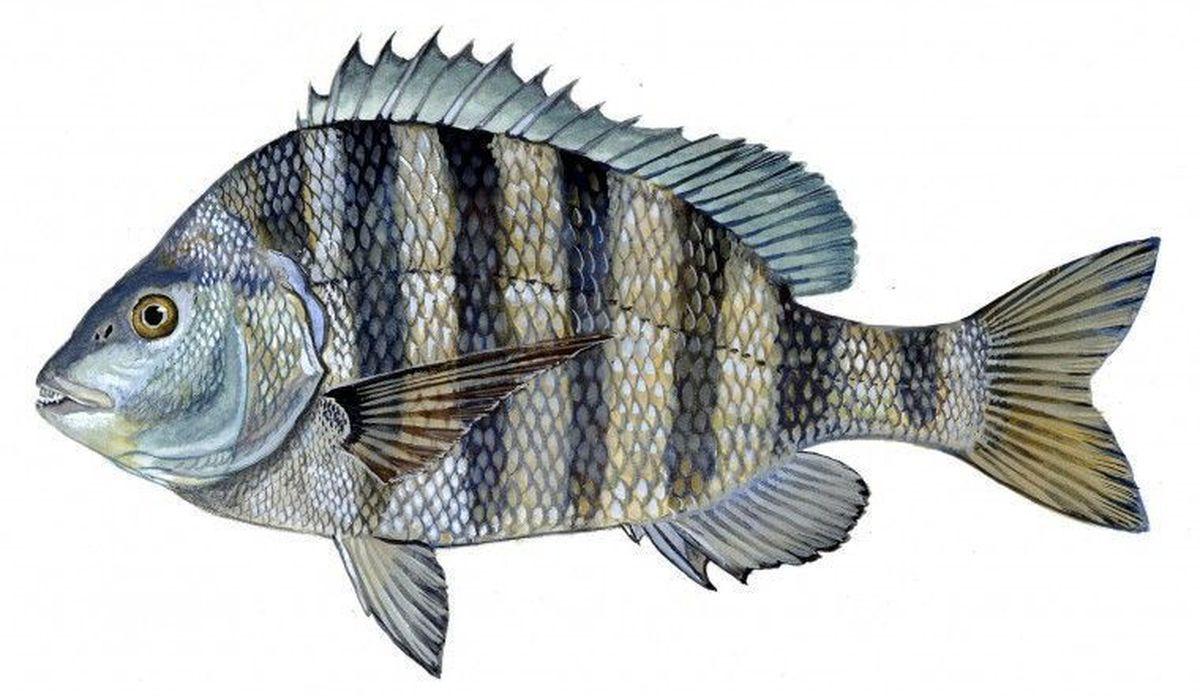
Sheepshead Overview
The Sheepshead (Archosargus Probatocephalus) belongs to the family Sparidae and order Perciformes, making it a distinguished member of the sea bream family found along the Atlantic coast and Gulf of Mexico. This beautifully compressed grey fish is instantly recognizable by its five to seven dark vertical bars running along its sides, a pattern that earned it the colorful nickname 'convict fish.' But what really sets the Sheepshead apart—and often gets a laugh from first-time anglers—are its strikingly human-like teeth, complete with molars perfect for crushing shells and barnacles. These teeth have made Sheepshead a legend in fishing communities from Florida to Nova Scotia, and they're a key reason why landing one is such a memorable experience. Interestingly, Sheepshead Bay in New York was named after these abundant fish, though pollution and development have since caused their populations there to decline dramatically.
Sheepshead Habitat and Distribution
Sheepshead thrive around any structure they can find—docks, bridges, petroleum rigs, jetties, and barnacle-covered pilings are their favorite hangouts. These fish are structure-lovers through and through; you'll rarely find them far from cover, though they'll occasionally venture closer to shore to hunt sand fleas and other crustaceans. The highest concentrations of Sheepshead are found along the entire east coast of the United States, with particularly robust populations from south Florida through the Gulf of Mexico. Northwest Florida sees exceptional numbers thanks to its abundance of artificial structures and pier pilings, making it a hotspot for anglers seeking these elusive fish. They've also been documented as far north as Nova Scotia during warmer months, though they're most abundant in warmer waters year-round.
Sheepshead Size and Weight
Typical Sheepshead range from 1 to 8 pounds and measure 14 to 20 inches in length, making them a rewarding catch for most anglers. However, if fortune smiles on you, these fish can grow considerably larger—trophy specimens have been documented at 20 pounds and 35 inches long. What's truly impressive about Sheepshead is their longevity; these fish can live up to 20 years in the wild, meaning that larger individual you hook could be a veteran of two decades of survival. This combination of size potential and lifespan makes the Sheepshead a respected quarry among serious anglers.
Sheepshead Diet and Behavior
Sheepshead are opportunistic feeders with a particular passion for hard-shelled prey. Their diet consists primarily of barnacles, small stone crabs, and fiddler crabs scraped from pilings and rocky structures, but they also consume shrimp, mollusks, minnows, clams, and squid when available. These fish are notorious bait stealers—they'll nibble delicately at your offering, working to loosen it from the hook with surprising finesse before committing to a full strike. This behavior can be maddening for inexperienced anglers but is part of what makes Sheepshead fishing so exciting and challenging. Once hooked, their powerful mouths and strong jaws require aggressive hook sets to ensure a solid connection. They're also pelagic, meaning they don't always stay at the bottom; they can be found hovering at various depths depending on food availability and water conditions.
Sheepshead Spawning and Seasonal Activity
Sheepshead exhibit fascinating spawning behavior, forming enormous aggregations of up to 10,000 fish that migrate to specific structures during breeding season. These fish move toward channel passes, offshore reefs, jetties, and oil platforms during their spawning period, which primarily occurs in early spring from February through April. Understanding this seasonal movement is crucial for anglers planning trophy hunts, as these spawning aggregations can concentrate fish in predictable locations during these months. Outside the spawning season, Sheepshead remain relatively localized around their preferred structures, making them year-round targets in warmer climates.
Sheepshead Techniques for Observation and Capture
Boat Fishing Method: If you're approaching Sheepshead from a boat, avoid dropping anchor if possible, as the disturbance will spook these wary fish. Instead, position your boat close to the structure—pilings, reefs, or wrecks—and cast your bait as near to the cover as you safely can. Use light tackle and allow your bait to hit bottom, then slowly bring it up in 1-foot increments to determine where the fish are suspended. This vertical exploration is essential since Sheepshead don't always feed on the bottom. Set your bait firmly on the hook to resist their notorious nibbling, and when you feel the weight of a fish working your bait, set the hook with aggression—their powerful jaws require a solid connection.
Shore-Based Method: Dock and seawall anglers can be equally successful by casting their bait as close to pilings as possible, just as boat anglers would. The same vertical jigging technique applies; let your bait work at different depths to locate where the fish are holding. If local regulations permit, consider scraping barnacles off the pilings with a rake to create a scent trail of meat pieces in the water—Sheepshead will zero in on this natural chum and come to you.
Bait and Jig Selection: Natural baits are always your best bet, with shrimp-tipped jigs being an excellent choice when live bait isn't available. The heavier weight of a jig helps keep your presentation near the structure and prevents the current from dragging it away. Around popular fishing destinations in Florida and the Gulf, guides often recommend fiddler crabs and stone crabs as premium options. Fresh shrimp, clams, and squid also work well. Timing your trip for early morning or late evening, when Sheepshead are most active, will significantly improve your odds.
Sheepshead Culinary and Nutritional Notes
Sheepshead is an excellent choice for the dinner table, offering delicate white flesh with a mild, slightly sweet flavor that appeals to most palates. The fish is rich in protein and omega-3 fatty acids, making it a nutritious addition to any diet, and it's notably low in mercury, so you can enjoy it without health concerns. A diet rich in Sheepshead can support heart health by helping to lower blood pressure and reduce the risk of heart disease, while also supporting brain function, boosting immunity, and aiding muscle growth and repair. Whether grilled, baked, or fried, Sheepshead makes an exceptional meal. However, be warned: their tough scales and strong fin spines make cleaning and filleting challenging, which is why some anglers pass them over in favor of easier-to-prepare species. If you're willing to put in the effort or have a skilled filleting knife, the reward is absolutely worth it.
Sheepshead Frequently Asked Questions
Q: What is the best bait for catching Sheepshead?
A: Natural baits are always superior to artificials. Fiddler crabs, stone crabs, fresh shrimp, clams, and squid are all excellent choices. If you prefer jigs, a shrimp-tipped jig works exceptionally well because the extra weight keeps your bait near the structure where Sheepshead feed. Always set your bait firmly on the hook—these fish are expert bait stealers and will nibble away at loose offerings.
Q: Where can I find Sheepshead near major fishing destinations?
A: Sheepshead are found throughout the east coast, with exceptional concentrations from south Florida through the Gulf of Mexico. Look for them around docks, piers, jetties, bridge pilings, offshore reefs, wrecks, and oil platforms. Northwest Florida is particularly productive thanks to its numerous artificial structures. Any barnacle-encrusted piling is a potential hot spot.
Q: Is Sheepshead good to eat?
A: Absolutely. Sheepshead offers delicate, mild white flesh that's excellent for grilling, baking, or frying. It's a healthy source of protein and omega-3 fatty acids, and it's low in mercury. The main challenge is cleaning and filleting due to their tough scales and strong spines, but the culinary reward justifies the effort.
Q: When is the best time to catch Sheepshead?
A: Early spring, February through April, is peak spawning season when massive aggregations gather around structures—this is prime time for trophy hunters. Outside spawning season, Sheepshead are year-round residents in warm waters. Fish early morning or late evening for best activity levels, and target deeper structures during the heat of the day.
Q: How should I set the hook when a Sheepshead bites?
A: Set the hook aggressively with a sharp upward jerk. Sheepshead have powerful mouths and jaws, and a timid hook set will often result in a lost fish. Once you feel the weight of the fish working your bait, don't hesitate—drive that hook home firmly.
Q: What size Sheepshead should I expect to catch?
A: Most Sheepshead caught by anglers range from 1 to 8 pounds and measure 14 to 20 inches. Trophy fish can exceed 20 pounds and reach 35 inches, though these are less common. The average is typically in the 2 to 5 pound range, making them a satisfying catch that's still manageable for most anglers.
More species you can explore on this trip
Shallowrun Guide Service Available Trips
Other customer memories from this trip
Captain Chad's boat is set up specifically for inshore flats and shallow-water fishing. You've got solid working space across the deck with plenty of room for four anglers to cast without crowding each other. The layout puts you in position to cover flats efficiently while staying stable in shallow water. Storage keeps tackle organized and accessible, and everything is designed for easy movement between casting zones. Safety gear is stowed properly and readily available. The overall setup keeps focus on fishing rather than boat handling - you're comfortable and mobile while Chad navigates the shallows and channels. It's a working boat built for productive days on Matagorda Bay.