%2Ffit-in%2F250x250%2Fusers%2F4fd38351-4f75-4d11-a884-65a6504d3711%2Fimages%2Ffe242de2-5fb6-4aa1-9dc6-054914b57518.jpg&w=1920&q=100)
Trophy Redfish Success in Matagorda Bay
Redfish Inshore Fishing in Matagorda Bay
%2F%2Fusers%2F4fd38351-4f75-4d11-a884-65a6504d3711%2Fimages%2Ffishing-catch-matagorda-redfish-trout-3563.png&w=1920&q=75)
The Sciaenops Ocellatus belongs to the order Perciformes and family Sciaenidae. It typically measures between 30 and 61 inches in length, with a weight range from 10 to 45 lbs. Habitat: onshore, flats, backcountry, nearshore. - Popular gamefish found along Atlantic and Gulf coastlines. - Identified by distinctive black spots near the tail and copper-red coloration.
Guided Fishing Trip by Guide Chad Kraft in December
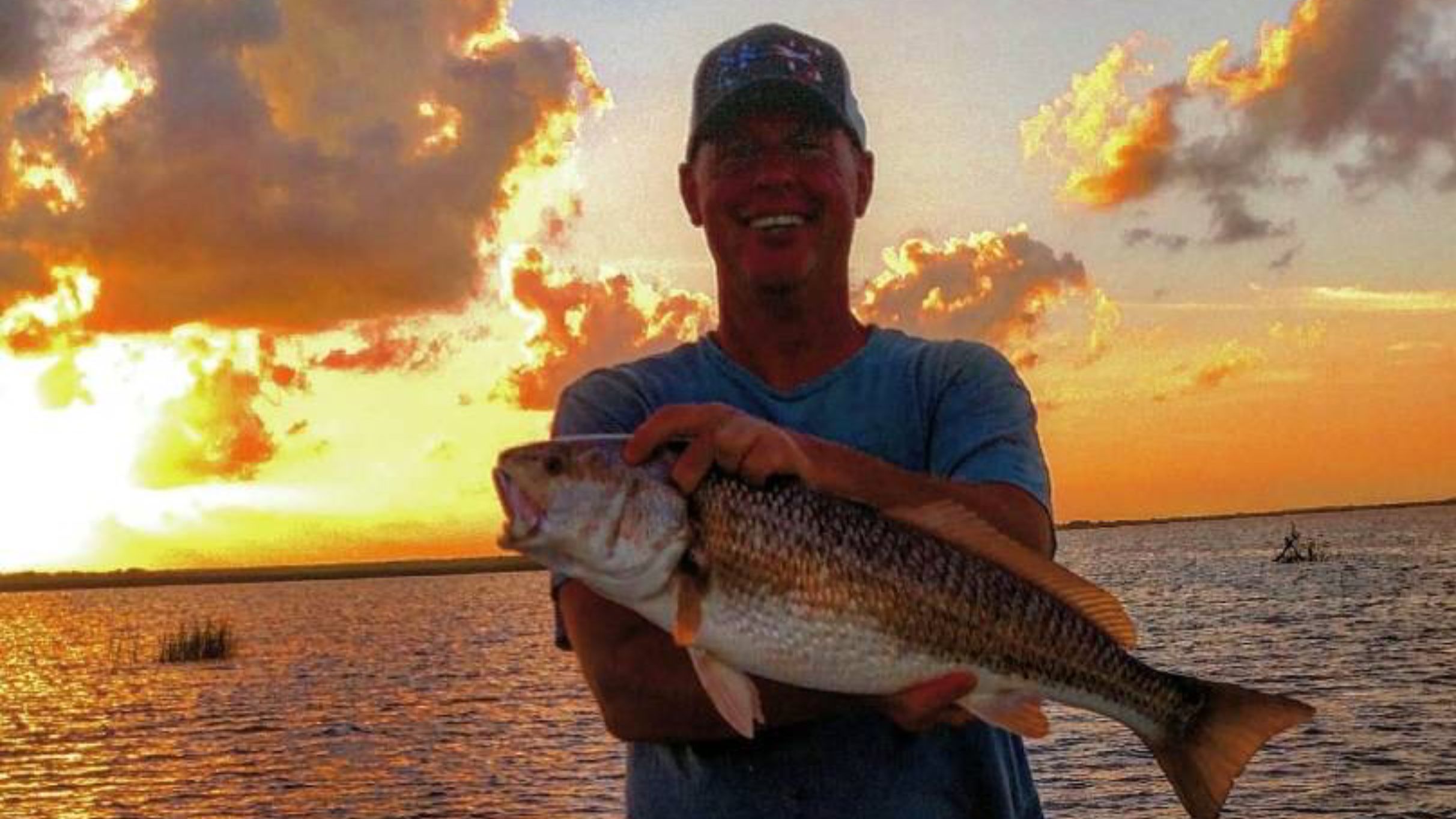
Meet your Guide Chad Kraft
- Expert Guides, Prime Catch. Matagorda Bay.


Summary
Guide Chad Kraft of Shallowrun Guide Service on Saturday November offers extended 7-hour inshore fishing charters targeting redfish, speckled trout, and flounder in Matagorda Bay's productive waters. This private guided fishing trip accommodates up to four anglers using proven drift fishing, live bait, and bottom fishing techniques across diverse bay structure. The extended time on water increases opportunities for quality catches while exploring different areas of this premier Texas coastal fishery. High-quality tackle is provided with live bait available separately, making it perfect for both beginners and experienced anglers seeking trophy redfish and cooler-filling trout in one of the Gulf Coast's most consistent inshore destinations.
Fishing Charter with Chad Kraft – Rates & Booking
Guide Chad Kraft of Shallowrun Guide Service on Saturday November provides private 7-hour inshore fishing adventures for up to four guests in Matagorda Bay. This extended charter gives anglers plenty of time to work different areas targeting redfish, speckled trout, and flounder using drift fishing, live bait, and bottom fishing techniques. All high-quality tackle is included with live bait available separately. Texas fishing licenses are required for all participants. Book your Matagorda Bay fishing charter online or call for current rates and availability.
Highlights of Matagorda Inshore Fishing Charter for Redfish, Trout, and Flounder
Matagorda Bay's diverse structure and current breaks create ideal conditions for multiple inshore species throughout the year. The extended seven-hour format allows time to explore shallow redfish flats, deeper trout holes, and productive bottom structure where flounder hold. Captain Chad's local knowledge of seasonal patterns and proven techniques consistently produces quality catches for anglers of all skill levels.
The bay system's size and variety mean different areas fish well under different conditions, giving this charter flexibility to find active fish regardless of weather or tides. From sight-casting to cruising redfish in skinny water to working live bait over shell beds for trout, each trip adapts to what's biting best that day.
Local Species Insights: Redfish
Redfish thrive in Matagorda Bay's shallow flats, grass beds, and oyster reefs where they feed aggressively on crabs, shrimp, and baitfish. These copper-colored drums with distinctive black spots near their tails are perfectly adapted to the bay's structure-rich environment. During November, redfish often school up in deeper pockets and along channel edges as water temperatures cool, making them excellent targets for both sight-fishing and blind-casting techniques. The bay's consistent salinity levels and abundant forage base support healthy redfish populations year-round, with fish ranging from slot-size keepers to oversized bulls that provide memorable fights on light tackle.
Plan Your Fishing Charter Day
Your 7-hour private charter includes all necessary tackle and equipment for up to four anglers, with departure times adjusted for optimal fishing conditions and tides. Captain Chad provides coolers with ice for your catch, and the boat is equipped with safety gear and electronics for navigating Matagorda Bay's expansive waters. Live bait is available separately when conditions call for it, though artificial lures often produce excellent results. Bring sun protection, snacks, and drinks for the extended day on the water, plus a valid Texas fishing license for each angler.
Fishing in Matagorda Bay: Redfish
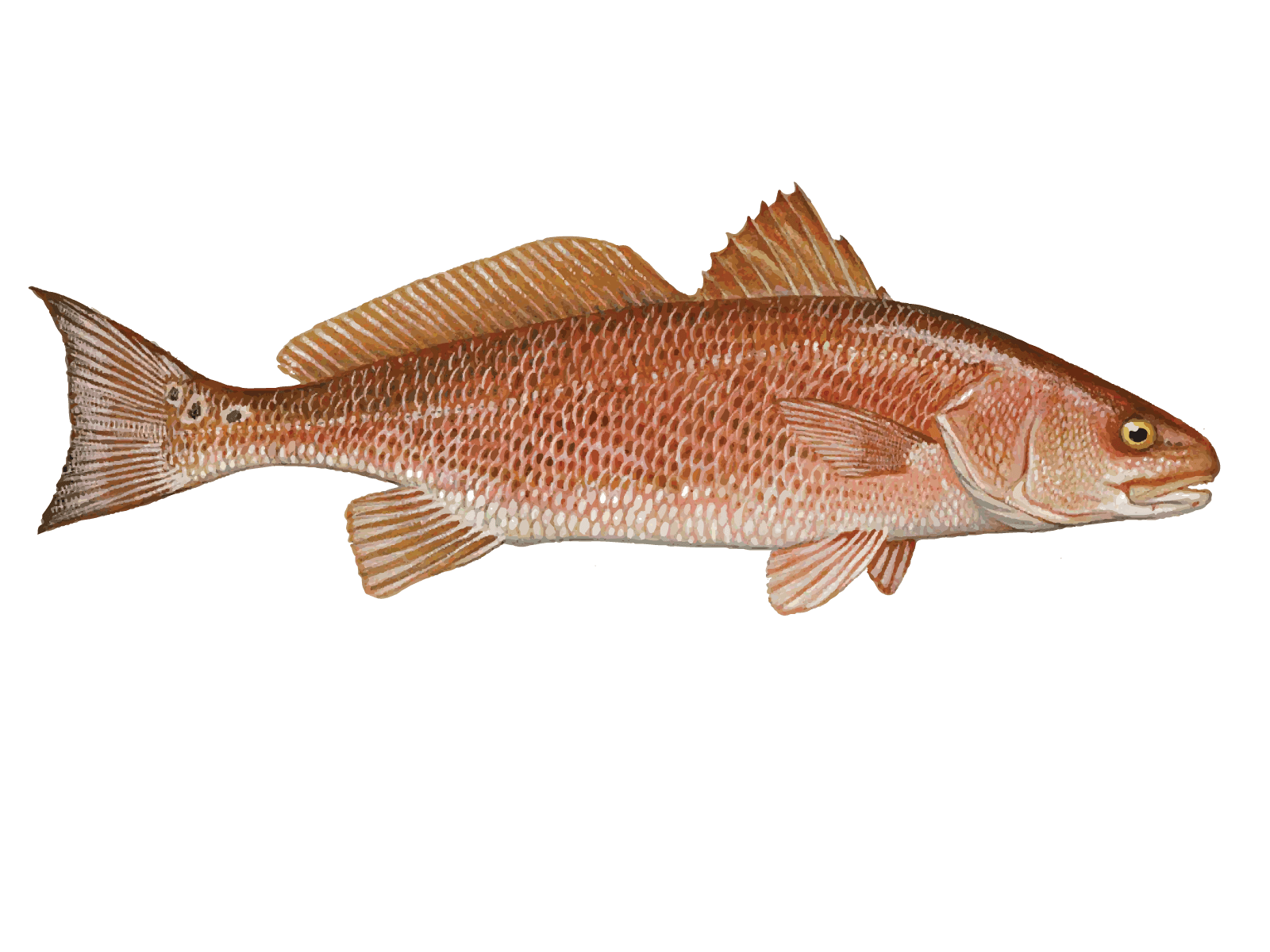
Redfish (Sciaenops ocellatus), also known as Red Drum, are iconic gamefish of the Sciaenidae family in the order Perciformes. These copper-colored drums are easily identified by their distinctive black spots near the tail and reddish-bronze backs that fade to white bellies. In Matagorda Bay waters this November, redfish are transitioning to their winter patterns, often schooling in deeper pockets and channel edges.
Redfish Overview
Redfish are prized by anglers for their aggressive strikes, powerful runs, and excellent table fare. They're perfectly adapted to shallow coastal environments, using their downturned mouths to root out crabs and shrimp from grass beds and oyster reefs. Their ability to thrive in varying salinity levels makes them year-round residents of Texas bay systems.
Redfish Habitat and Distribution
These fish inhabit shallow flats, grass beds, oyster reefs, and channel edges throughout the Gulf Coast. In Matagorda Bay, they're found from the back lakes to nearshore waters, with juveniles preferring protected marsh areas while adults move between shallow and deeper water based on tides and seasons.
Redfish Size and Weight
Redfish typically range from 30 to 61 inches in length, weighing between 10 and 45 pounds at maturity. Texas slot limits protect breeding-size fish, with keeper redfish measuring 20-28 inches providing excellent eating while larger bulls are prized for their fighting ability.
Redfish Diet and Behavior
Redfish are opportunistic feeders targeting crabs, shrimp, mullet, and other baitfish. They often feed in shallow water during high tides, creating visible wakes and tails as they root through grass beds. During cooler months, they school up and move to deeper water during the day, becoming more active in shallows during warmer afternoon periods.
Redfish Spawning Season
Spawning occurs in nearshore waters from late summer through fall, with peak activity in September and October. During this time, large schools of adult redfish gather in deeper water before moving offshore to spawn, creating excellent fishing opportunities for anglers targeting these aggregations.
Redfish Fishing Techniques
Effective techniques include sight-casting to tailing or cruising fish with soft plastics, spoons, or topwater lures. Live bait such as shrimp, crabs, or mullet works well when fished near structure. In November around Matagorda, anglers find success working deeper grass edges and oyster reefs with jigs and soft plastics during warmer afternoon periods when fish move shallow to feed.
Redfish Is It Good to Eat?
Slot-size redfish provide excellent eating with firm, white meat and mild flavor. The flesh is lean and flakes easily when cooked, making it perfect for grilling, blackening, or frying. Redfish are high in protein and omega-3 fatty acids while being relatively low in mercury compared to larger offshore species.
Redfish Frequently Asked Questions
Q: What is the best bait for redfish?
A: Live shrimp, blue crabs, and mullet are top choices, though soft plastic jigs, spoons, and topwater lures also produce excellent results when fish are actively feeding.
Q: Where can I find redfish near Matagorda?
A: Look for redfish around oyster reefs, grass flats, channel edges, and shallow back lakes. They often feed in 1-4 feet of water during high tides and move to deeper structure during low water.
Q: Is redfish good to eat?
A: Yes, slot-size redfish (20-28 inches in Texas) have excellent flavor with firm, white meat that's perfect for various cooking methods including grilling and blackening.
Q: When is the best time to catch redfish?
A: Redfish bite year-round, but fall months offer excellent action as fish school up before spawning. Early morning and late afternoon typically provide the most active feeding periods.
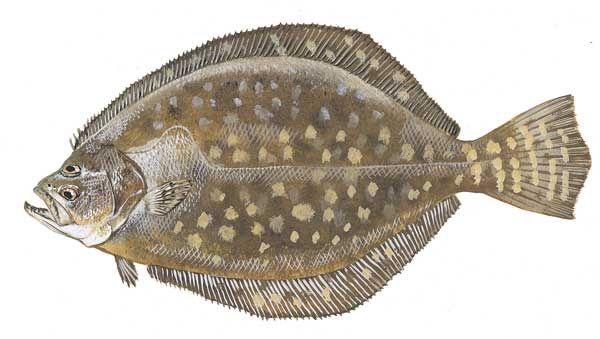
More species you can explore on this trip
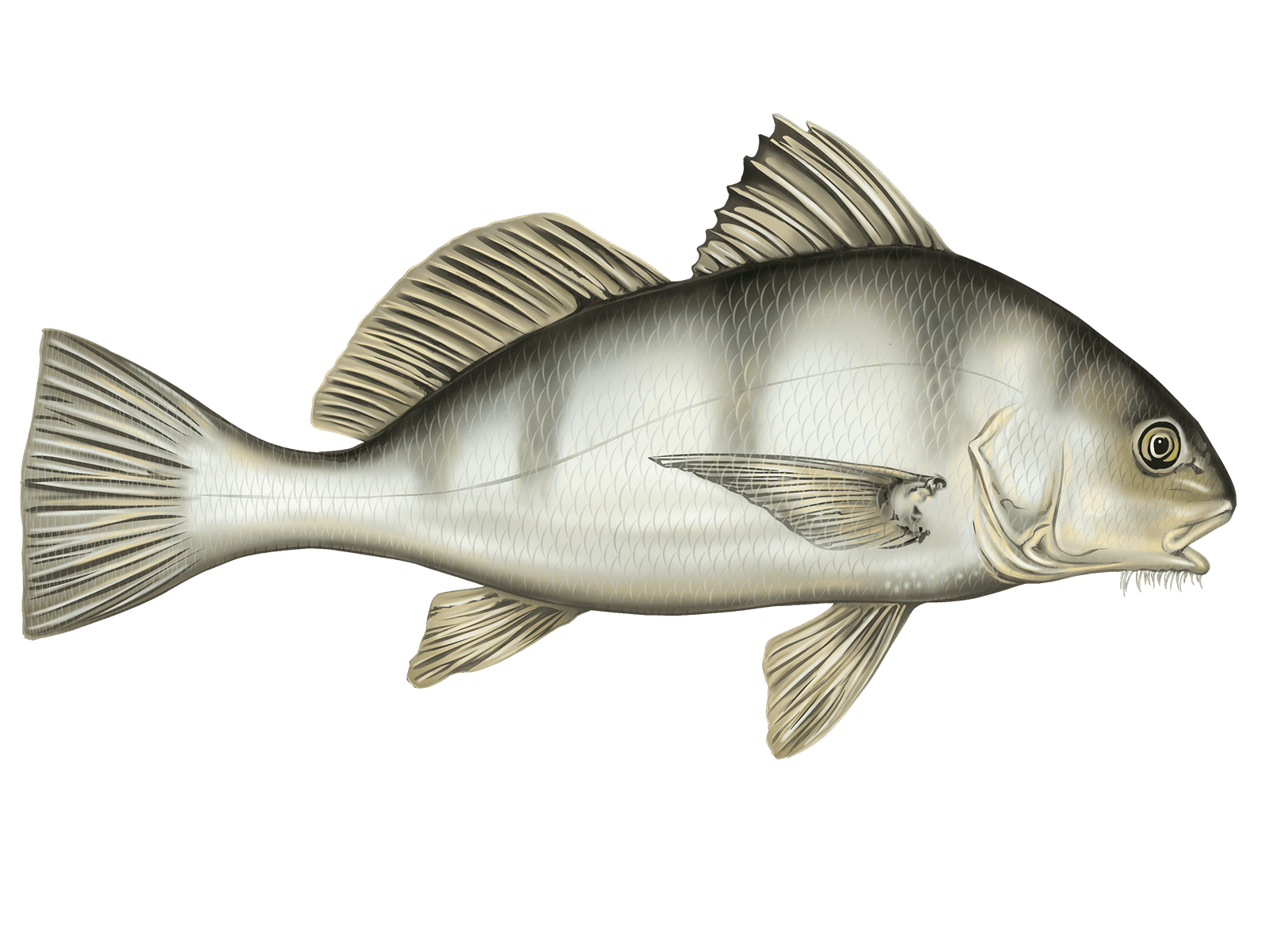
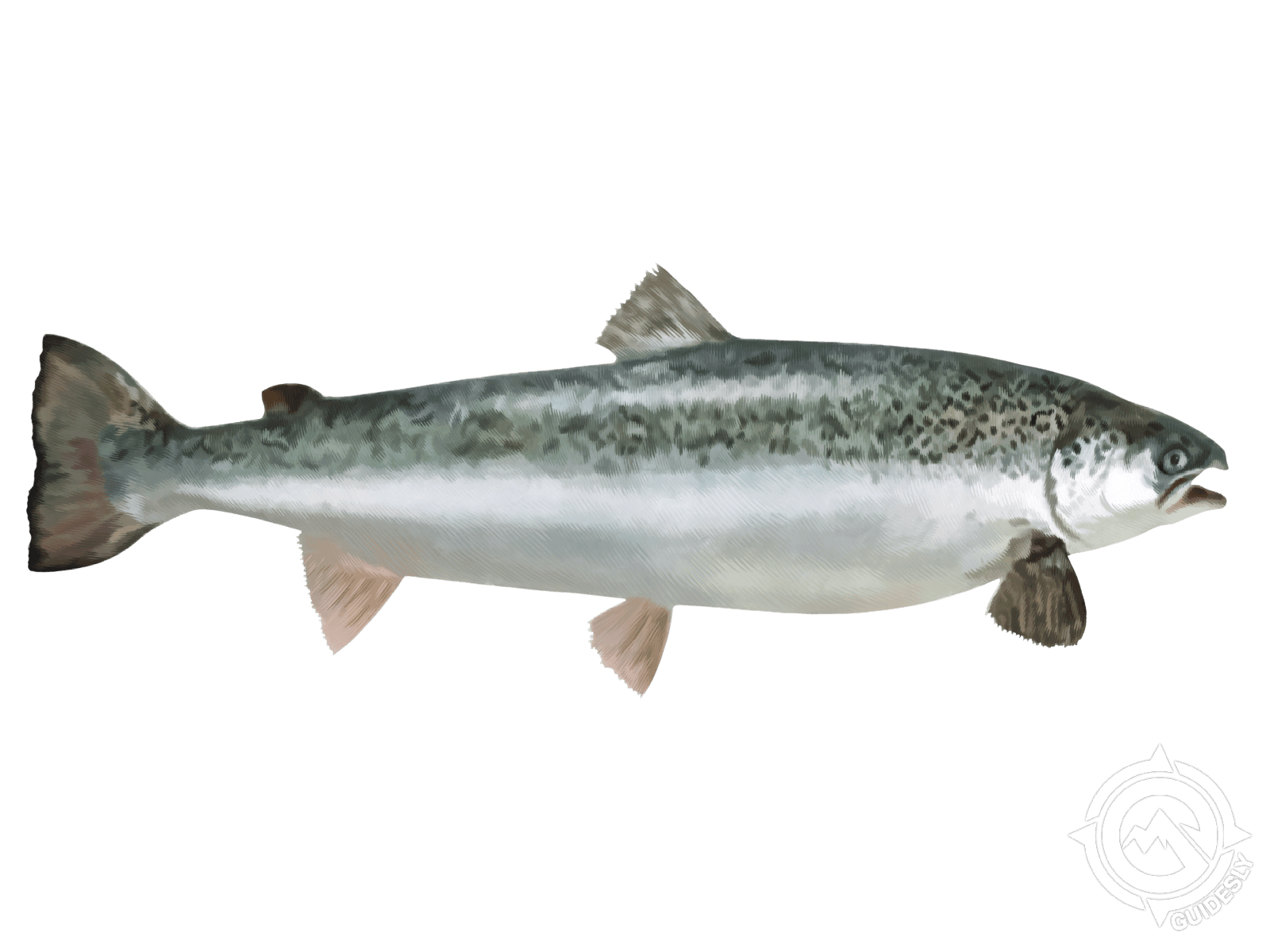
Shallowrun Guide Service Available Trips
Captain Chad's custom-built bay boat is perfectly suited for exploring the shallow waters of Matagorda Bay. This versatile vessel allows anglers to access prime fishing spots where redfish, trout, and flounder hide out. With a stable fishing platform and plenty of deck space, up to four guests can cast comfortably throughout the day. The boat's shallow draft lets you sneak into backwaters and over grass flats that larger boats can't reach. There's ample storage for gear and coolers, plus top-notch electronics to locate fish. A quiet trolling motor helps you slip up on wary fish without spooking them. Whether drifting the open bay or poling along marshy shorelines, this nimble craft gives you the ideal setup for a productive day of inshore fishing in Matagorda's diverse ecosystem.